
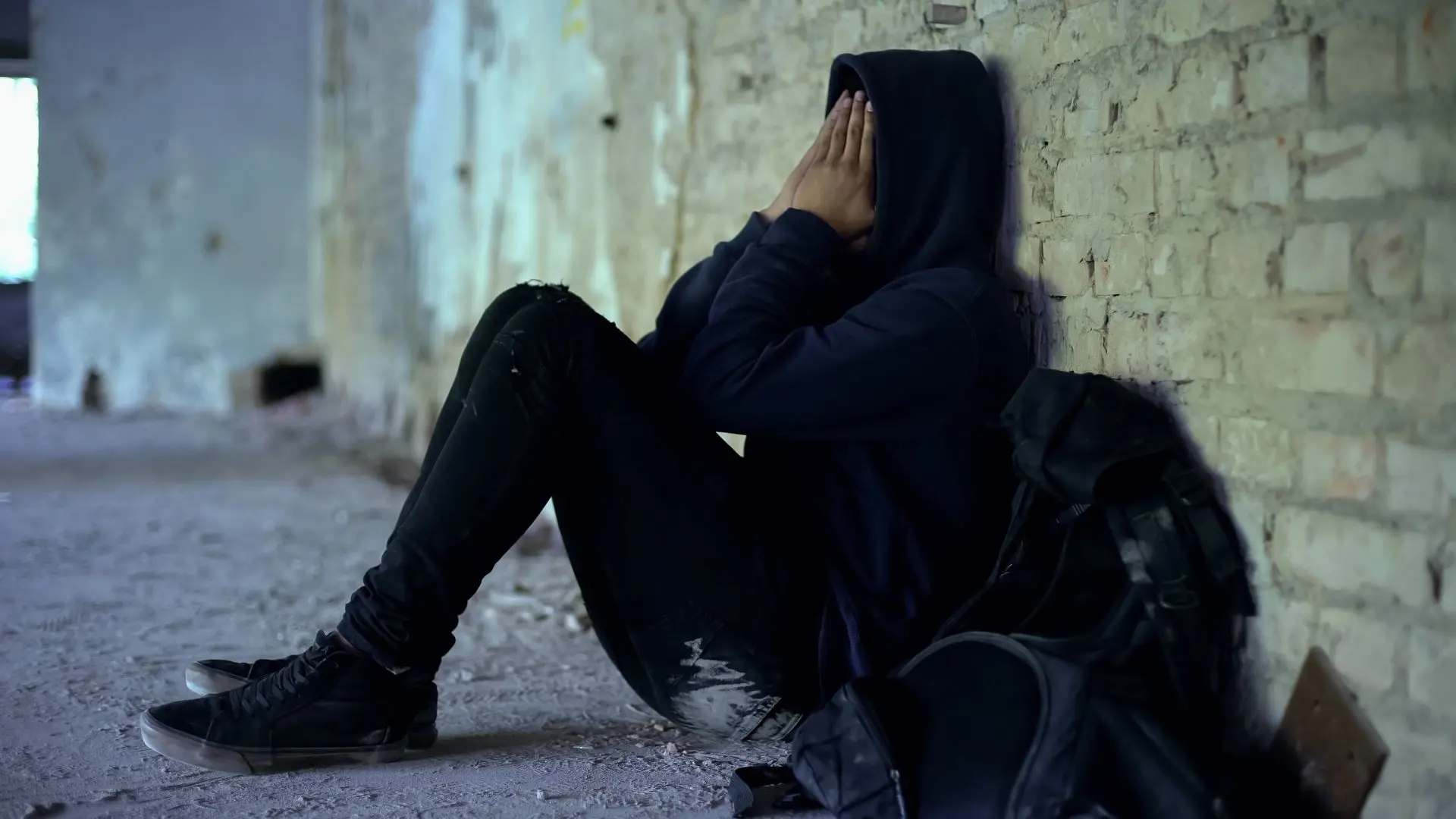

The concept of a "dysfunctional family" is widely used but not always clearly defined. At its core, a dysfunctional family is one in which the patterns of interaction — how members communicate, manage conflict, express affection, and maintain boundaries — consistently produce harm rather than support for the individuals within it.
Common Patterns in Dysfunctional Families
Denial of reality: Problems are not acknowledged. Significant issues (addiction, abuse, mental illness) are treated as non-existent or minimized. Children learn to distrust their own perceptions.
Inconsistent communication: Messages are contradictory, confusing, or unsafe to respond to honestly. You learn to manage others' emotions rather than express your own.
Rigid roles: Family members get locked into fixed roles — the responsible one, the scapegoat, the invisible child — that serve the family's coping needs but constrain individual development.
Poor boundaries: Enmeshment (overinvolvement) or disconnection (emotional unavailability), rather than appropriate closeness with respect for individuality.
How It Affects Adults
The patterns learned in dysfunctional families don't stay in childhood. They transfer into adult relationships, work environments, and self-perception. Common long-term effects include: difficulty trusting others, hypersensitivity to criticism, chronic people-pleasing, difficulty setting limits, perfectionism as a survival strategy, and low baseline self-worth.
These effects are not character flaws. They are adaptations to environments that required them. They were functional in the original context. In adult life, they often are not.
What Healing Looks Like
Healing from a dysfunctional family background is rarely linear and rarely fast. But it is very possible. The core elements:
Recognition: Understanding what patterns were present and how they shaped you. This isn't about blaming your family — it's about seeing clearly what happened so you can choose differently.
Professional support: Therapy, particularly approaches focused on attachment patterns and relational trauma, is highly effective for this work. Self-help alone has limits.
Building new models: Seeking out relationships and environments that operate differently — and practicing new ways of connecting, communicating, and responding that weren't available to you growing up.
Long-Term Effects on Adults
Growing up in a dysfunctional family system produces patterns that persist well into adulthood — often without the person connecting those patterns to their origin. Common long-term effects include:
- Difficulty trusting others: When early relationships were unreliable or harmful, the default assumption becomes that relationships in general are unsafe. This can manifest as hypervigilance, difficulty being vulnerable, or patterns of pushing people away at a certain level of closeness.
- Hyperresponsibility: Children who assumed adult responsibilities in dysfunctional families often carry this pattern forward — over-functioning in relationships, difficulty delegating, feeling personally responsible for others' emotional states.
- Conflict avoidance or conflict reactivity: Adults raised in homes where conflict was dangerous often develop one of two patterns: complete avoidance of disagreement, or heightened reactivity where small conflicts escalate quickly.
- Self-doubt and imposter syndrome: When your perceptions were consistently denied or minimized growing up, trusting your own judgment as an adult is difficult. This is sometimes called "gaslighting by the family system."
What Healing Looks Like in Practice
Healing from a dysfunctional family background is not linear and does not have a fixed endpoint. What it looks like in practical terms:
First, recognition: naming what happened as real, even if others in the family system continue to deny it. Second, understanding the patterns it produced — not as character flaws but as adaptive responses that once served a function. Third, deliberately building different patterns in current relationships: practicing trust incrementally, tolerating conflict without catastrophizing, allowing others to support you.
Therapy is often the most effective path for this work, particularly approaches that address relational patterns: attachment-based therapy, Internal Family Systems (IFS), or schema therapy. Coaching can be a useful complement once the therapeutic foundation is in place.
Frequently Asked Questions
Does coming from a dysfunctional family mean I'll repeat the patterns?
Not inevitably — but patterns are more likely to repeat without awareness and deliberate effort. Research on intergenerational transmission of family patterns shows that simply becoming aware of what you absorbed reduces the probability of unconscious repetition. Intentional work — through therapy, self-examination, or deliberate relationship practice — reduces it further.
Can you have a healthy adult relationship with a family member who was part of the dysfunction?
Sometimes, with clear boundaries and realistic expectations. The key is not requiring the other person to change or acknowledge the past as a condition of the relationship continuing. Some people choose to maintain reduced contact rather than full estrangement; others determine that estrangement is necessary for their wellbeing. There is no universal right answer.
Is it possible to heal without cutting off from the family?
Yes. Healing happens internally, not through distance alone. What changes is your emotional relationship to your history and the patterns you carry — not necessarily the physical contact with family members. Many people do significant healing while maintaining family contact, by building enough internal stability that the contact no longer destabilizes them.